
Informing our actions to make a difference
To drive meaningful improvements in health and well-being, we all must collectively use data to understand gaps and inequities. Those insights then help shift thinking and enable communities, healthcare providers, policy makers, and public health partners to take action, develop solutions, and make change—together.
Listening to Rhode Islanders

RI Life Index
The seventh year of the RI Life Index, a BCBSRI partnership with the Brown University School of Public Health, continued to show that health is more than healthcare. Factors such as housing, food security, employment, education, and quality of life contribute to health disparities. The overall score of 57 (on a 1-100 scale) was unchanged from 2024, the lowest score recorded.
In 2025, the new RI Voices survey of more than 1,000 people provided a deeper understanding of the lived experiences of Rhode Islanders.
Safe Zones
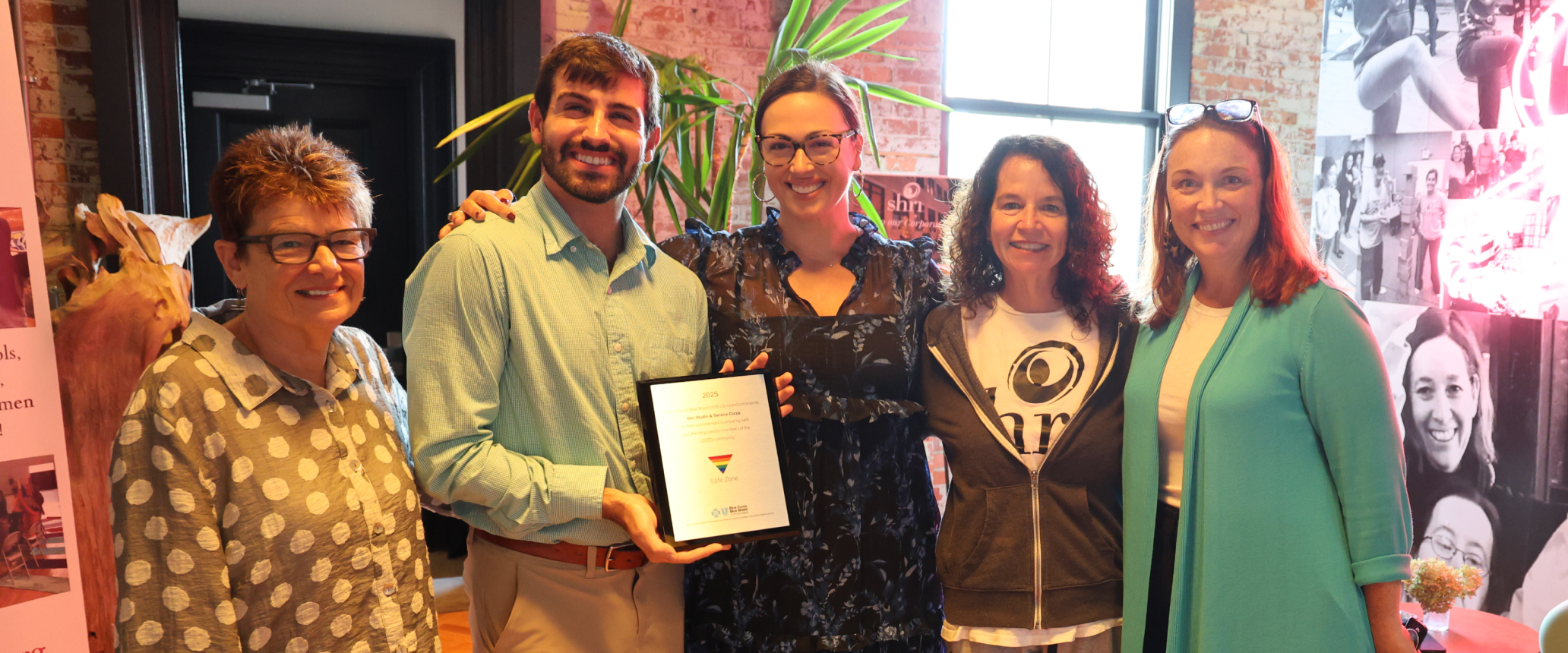
BCBSRI certifies Safe Zones as healthcare and health-related facilities that provide an affirming and welcoming setting for all Rhode Islanders. Facilities must align with best practices in caring for the community, such as affirming all patient identities, providing nondiscrimination protections, making resources for patients available, providing staff training, and more. Currently more than 110 facilities are certified Safe Zones.
Addressing disparities in healthcare
Collecting demographic data provides a clearer picture of our membership and helps us identify their unmet needs. And over time, this information will support our development of new health and wellness programs, as well as guide our ongoing work with community and provider partners to help reduce disparities in our care system.

Colorectal cancer screening
Unlike most cancers, colorectal cancer can be detected early through a variety of screenings. We mounted a campaign to increase the number of our members who get screened and to reduce disparities in screening, offering free at‑home kits with the help of community partners and scheduling support for colonoscopies.
77%
Of eligible BCBSRI members have been screened
50% decrease
In racial & ethnic screening gaps
Maternal health disparity
In our continuing effort to reduce disparities in maternal health outcomes, we:
- Support the Urban Perinatal Education Center and its focus on eliminating disparities through counseling, education, doula services, and more
- Piloted a Meals on Wheels RI program to support access to food during pregnancy
- Launched a Maternal Peer Support Group to reduce postpartum depression and improve community connection

Strengthening the health of the local economy
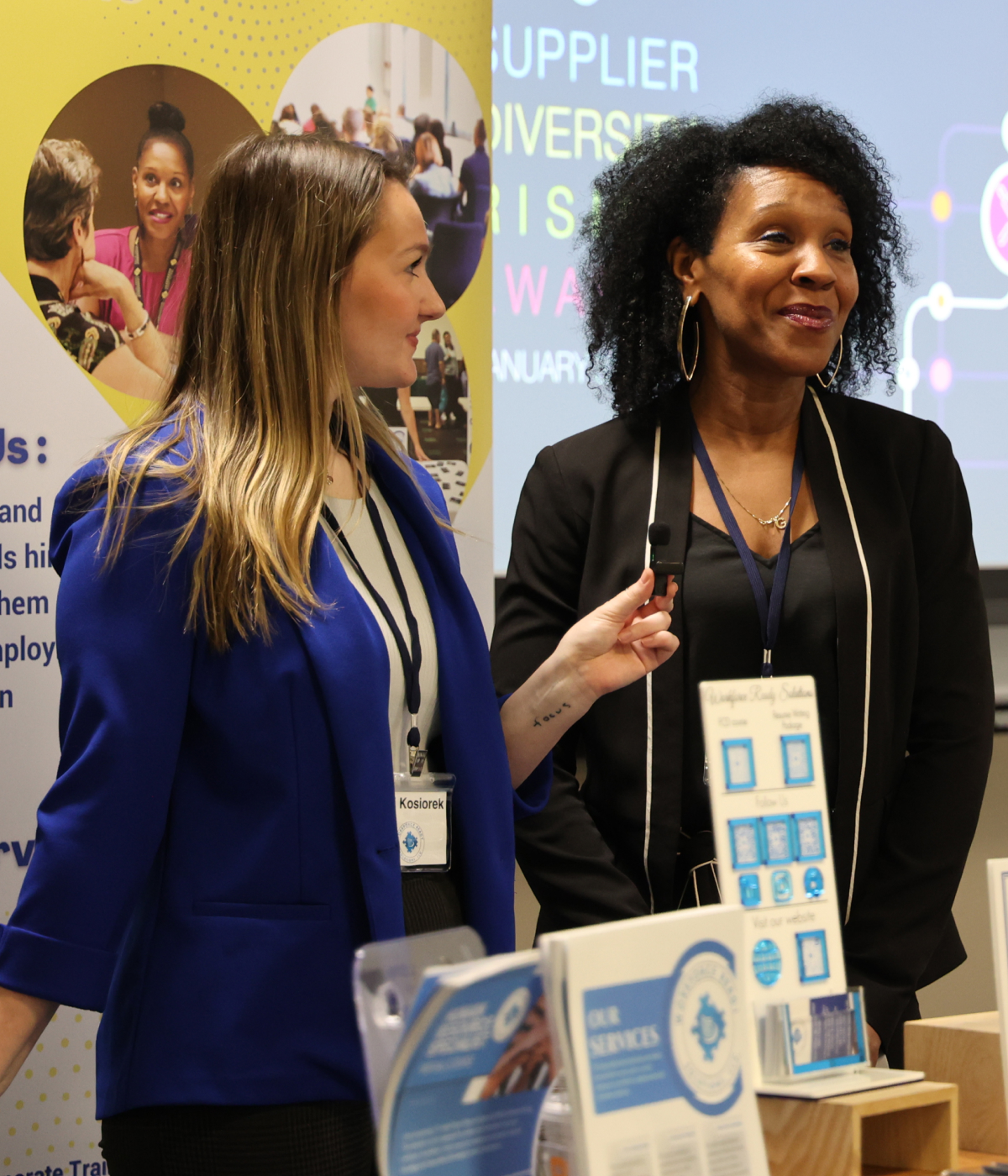
We understand that the health of a community includes economic health, and we foster a culture that promotes sustainable economic development of business enterprises that are representative of the communities we serve. Supplier-based events in 2025 included the Vendor Inclusion Showcase & Rising Awards, Small Business Day, and the 3rd annual Supplier Engagement Week.
11%
Of 2025 spending went to small, underutilized, and local suppliers, an increase of 200%+ since 2022